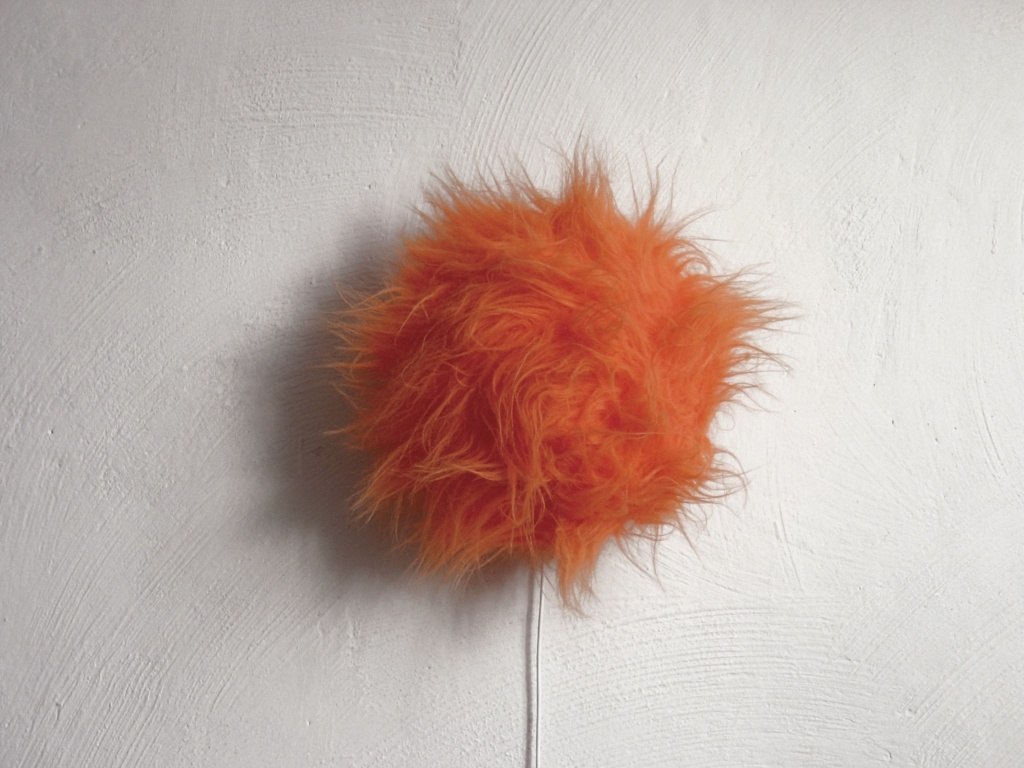
Cozy Tech
In tech design, a turn from sleek metal and glass to cozy textiles serves an ideological purpose: making consumer technologies, with all their surveillant properties, feel like a natural, intimate feature of home.
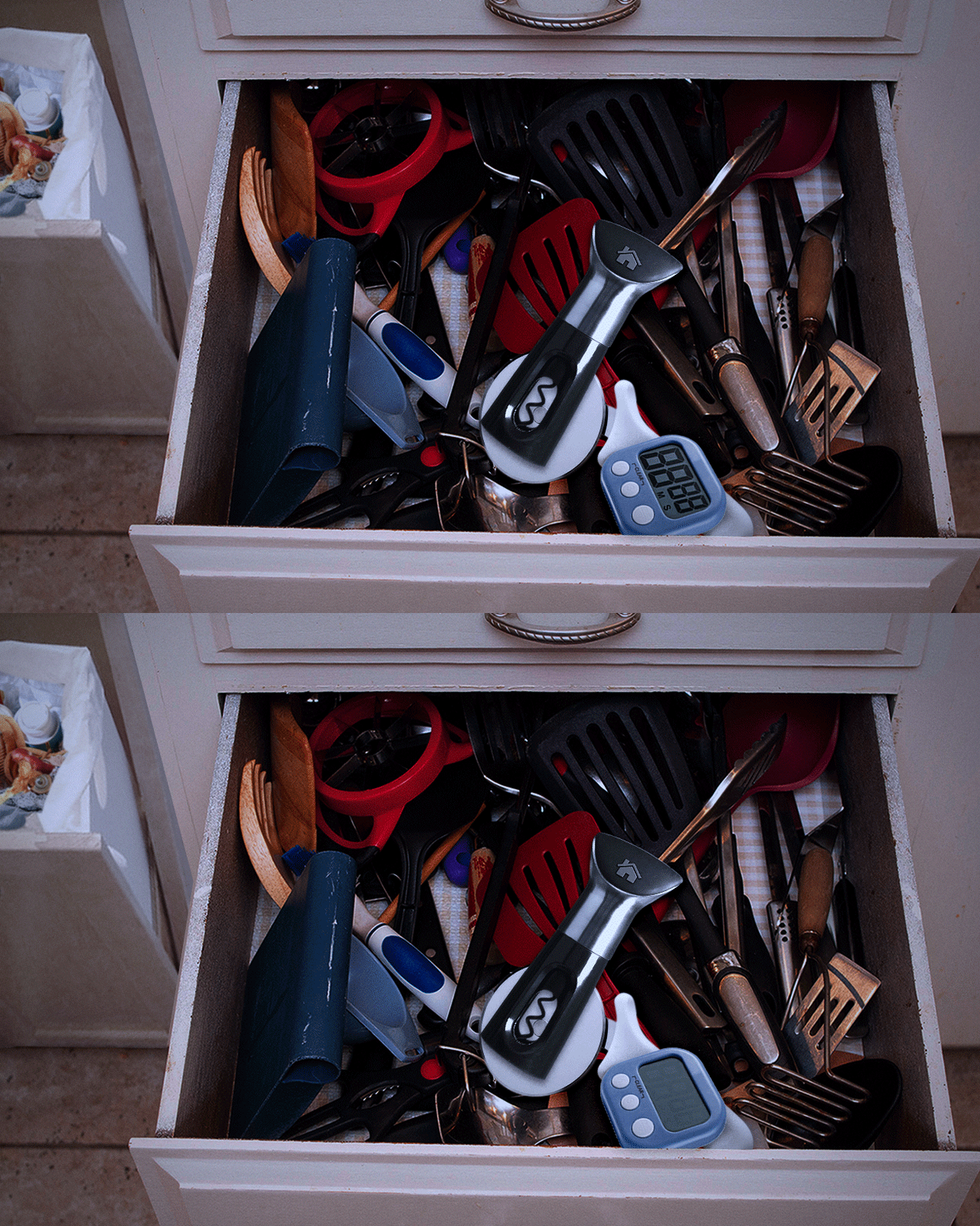
Unwanted Corkpull
The origins of everyday household junk are uncanny in their endlessness and inscrutability. This encourages a kind of object orthorexia: alone at home amid possessions one can’t easily be rid of, it is easy to obsess over the extractive beginnings and horrid afterlives of cheap objects
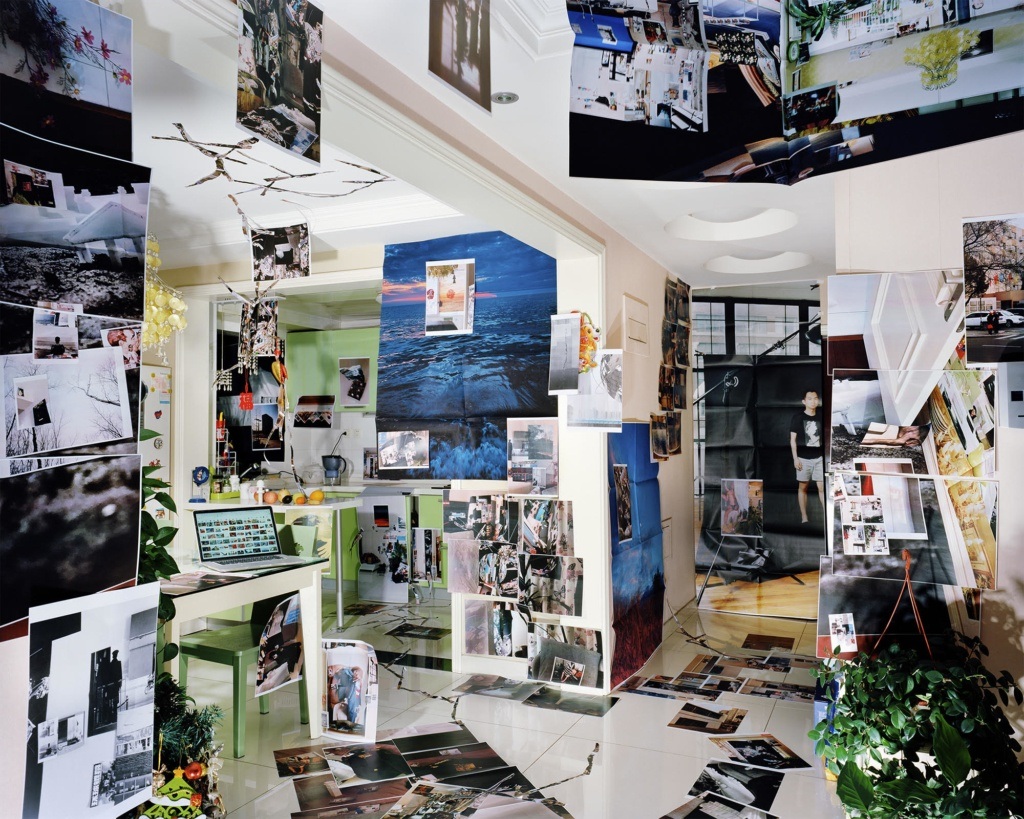
Screen Memories
Like the snapshot, the screenshot is a way of metabolizing the world around us, framing intimate spaces that are controlled, nevertheless, by outside parties. Counterintuitively, it provides a brief escape from computational logic.
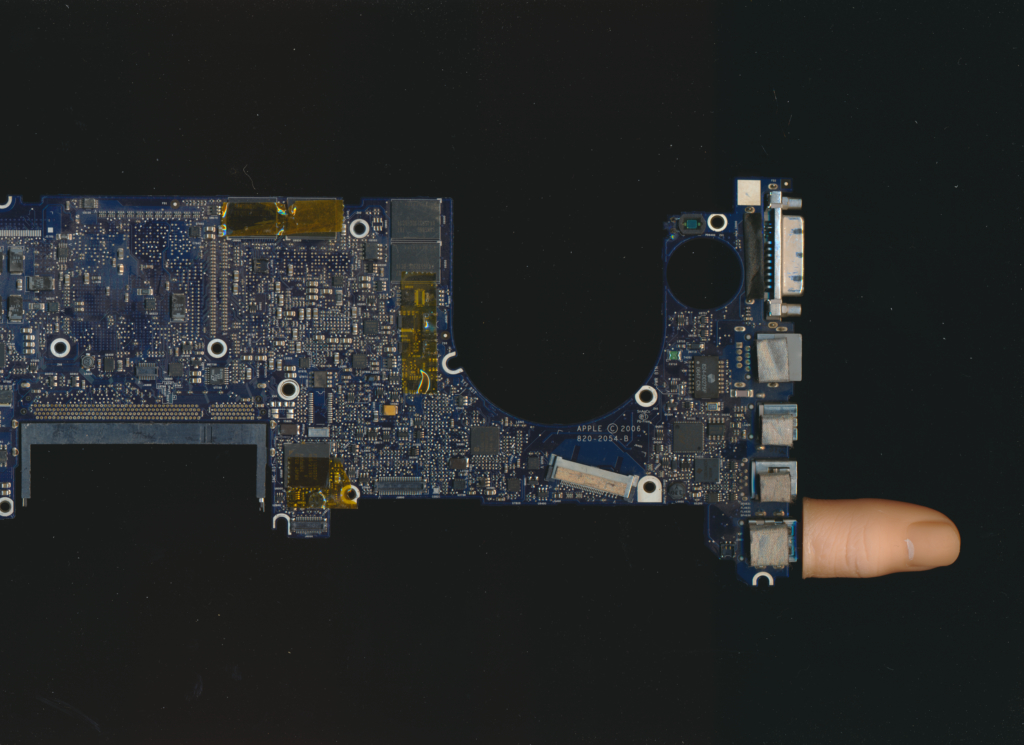
Disassembly Required
Robots are designed to gain our sympathy through anthropomorphic and often adorable features. Treating robots with aggression is often seen as antisocial behavior. However, robots are not our friends: they are tools of the corporations that own them, and thus they are not on our side.

Home Body
The home itself feels like a “body,” a living entity capable of comforting and nurturing its inhabitants. Like us, this entity is one among many others, linked through infrastructure and labor to the systems necessary for its survival. While we think of the home as an isolated unit, the workings of the “house body” demonstrate our interdependence.
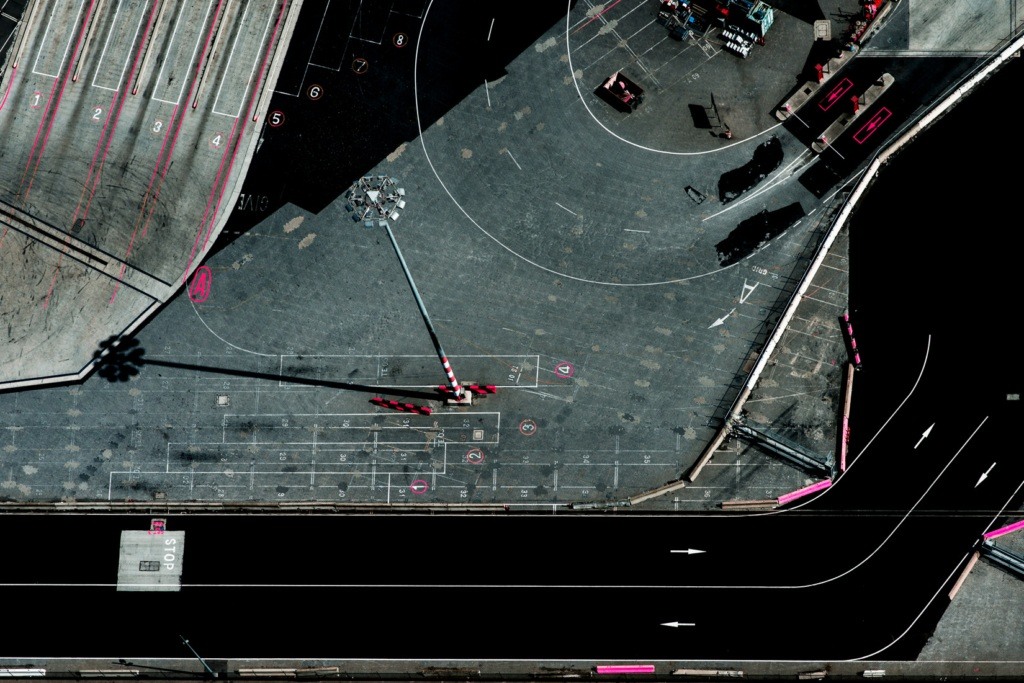
Looking Down
The pandemic has divided society into those who have become targets and those who can safely watch. Enter drone photography’s socially distanced view.
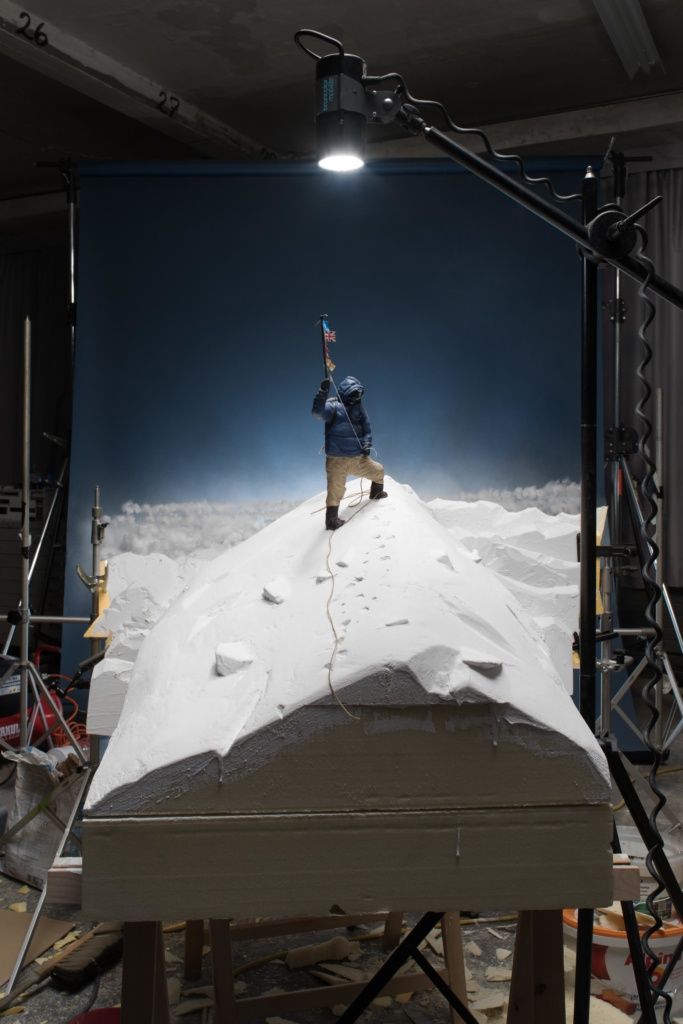
Failed States
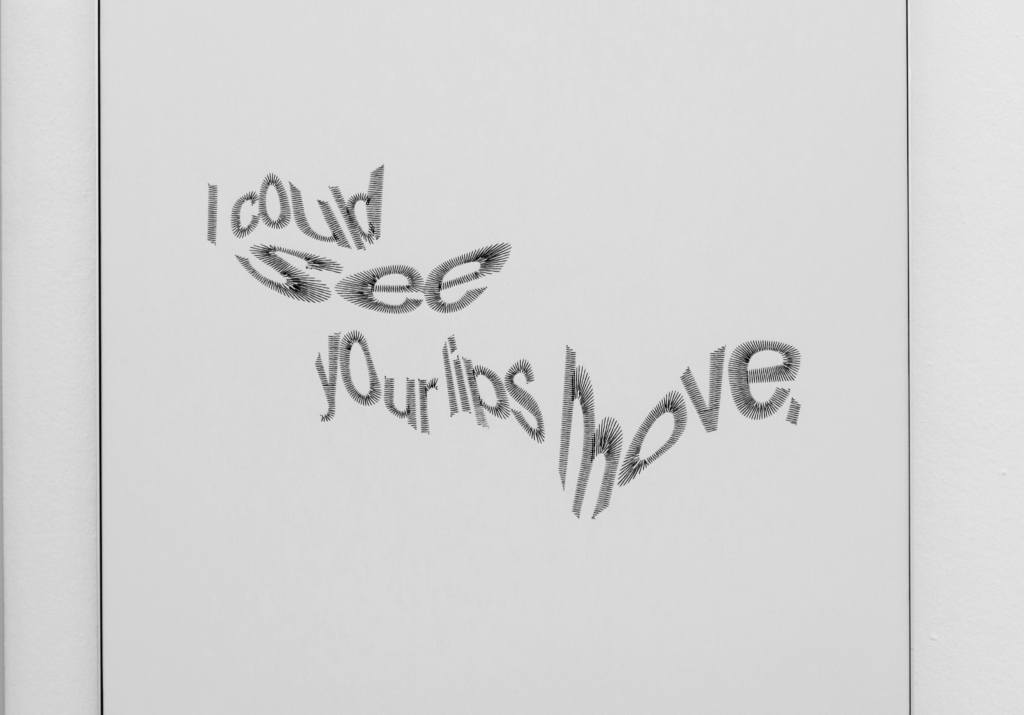
Who Goes There

The Next Big Cheap
Data is often called “the new oil.” But this construction takes for granted the transformation of the world into commodities for exploitation, a process that isn’t natural and shouldn’t be inevitable. Thinking about data as the next “cheap thing” — in line with other cheap commodities throughout the history of capitalism — might help us imagine better frameworks for its management and regulation.
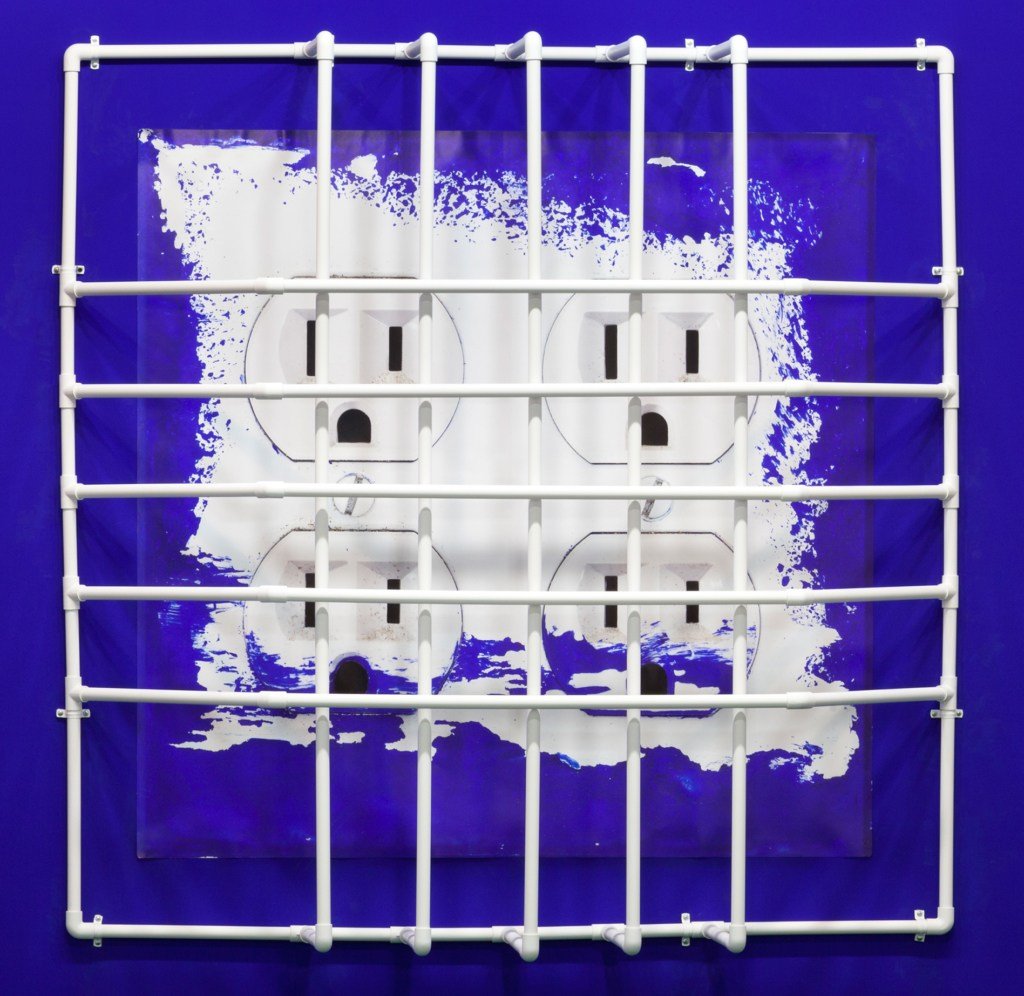
Network of Blood
In a wireless era, the old-fashioned plug conjures a tactile thrill, as well as a rich set of metaphors on the tethering of objects to each other and ourselves. It represents a mode of connection and engagement with the material world that seems to be slipping away.